

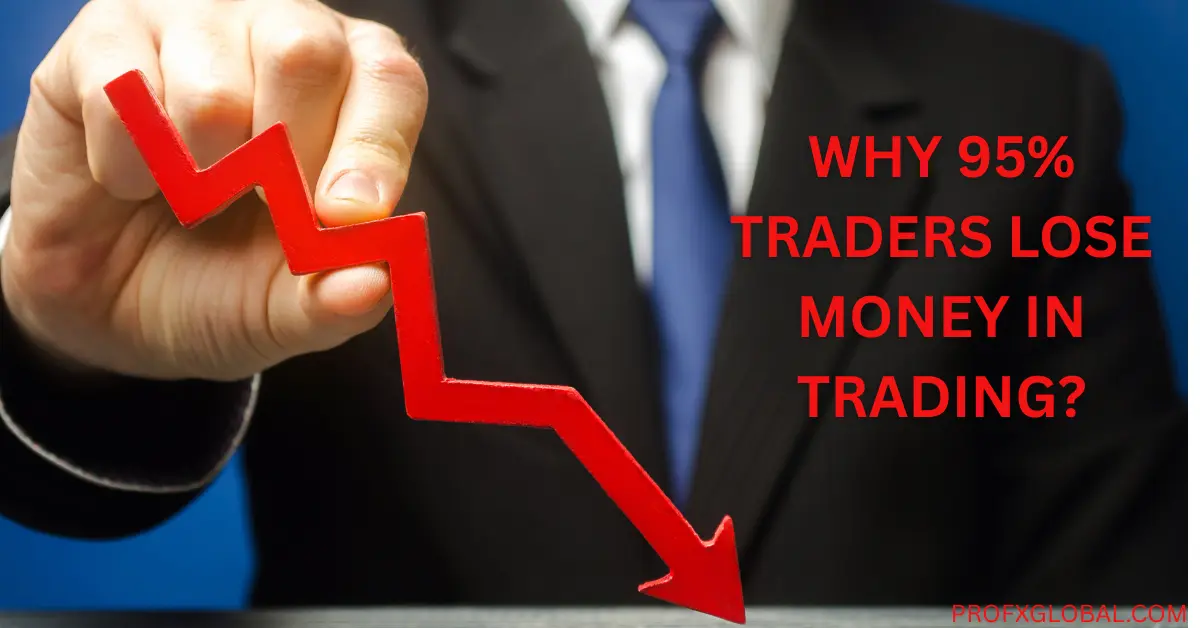
One of the most common questions in the financial world is why 95% traders lose money. Many new traders come into the market with big hopes of making money quickly, but that’s not how it works. Only a small number of traders are able to make money in the long run, according to statistics. It’s not always the market that causes problems; it’s how traders deal with it. There are a lot of mistakes that most people make over and over again, like letting their emotions get in the way of trading and not managing their risks well. To be a successful trader, you need to know what these mistakes are and how to avoid them.
1.Psychology in Trading
Psychology, not strategy, is often the reason why 95% traders lose money. Many people think that losing is caused by bad analysis or weak systems, but in reality, emotions like fear, greed, and overconfidence are more to blame. No trading plan will help you if you can’t control your mind. The first step to becoming a consistent and successful trader is to learn about trading psychology.
The Role of Emotions in Trading
Trading is a game of feelings. Market ups and downs are stressful, and traders make bad decisions when they can’t control their emotions. The most dangerous feelings that cause people to lose money are fear, greed, and too much confidence.
Greed-The Silent Account Killer
Greed makes traders want to make money quickly. Many people increase their position size or enter trades without thinking after small wins. This risky behavior often costs them money and hurts their account.
Discipline and Patience
Successful traders are really good at being disciplined and patient. Traders can be consistent by sticking to a clear plan and not making decisions based on how they feel. Professionals are different from most people who fail because they stay calm and focused.
2.Overtrading
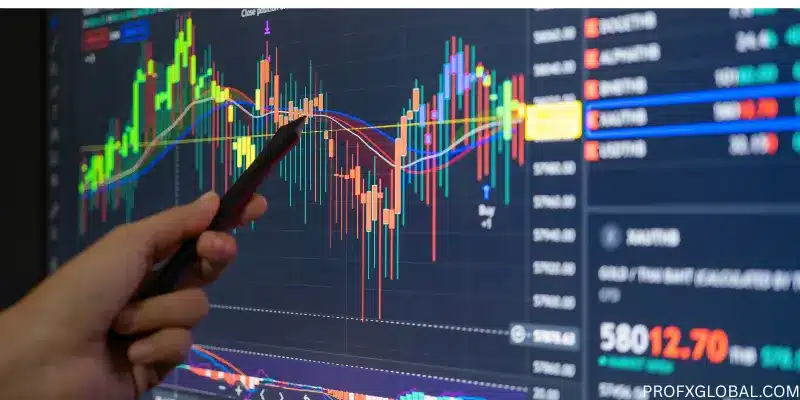
Overtrading is another big reason why 95% traders lose money. Many traders think that making more trades will give them more chances to make money, but in reality, making too many trades usually leads to more losses and stress.
What is Overtrading?
When a trader makes too many trades in a short amount of time without doing the right analysis, this is called overtrading. People often do this out of greed, revenge trading, or the fear of missing out (FOMO).
The Problem of Revenge Trading
After losing a trade, a lot of traders try to get their money back quickly by taking another position without thinking it through. This is called revenge trading, and it usually ends up costing you even more money.
How to Avoid Overtrading
Setting clear rules is the best way to avoid trading too much. Limit the number of trades you make each day, keep a trading journal, and focus on quality setups instead of quantity. Taking trades you don’t need is not as powerful as being patient. For more details on how to avoid overtrading, you can check this guide.
3.Risk Management
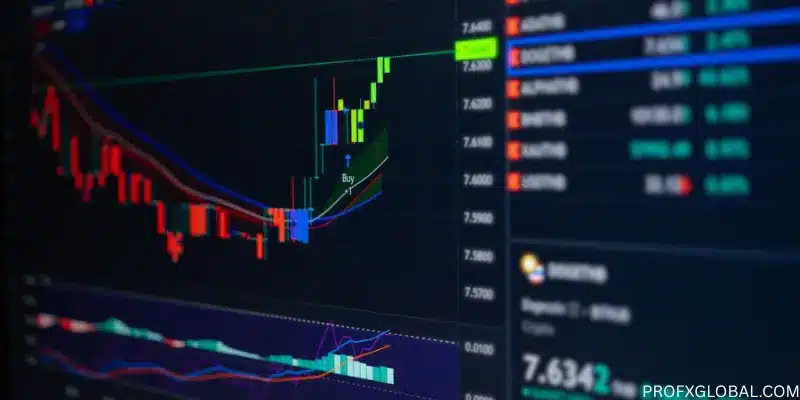
Poor risk management is one of the main reasons why 95% traders lose money. A lot of beginners forget that protecting their capital is more important than making money. Instead, they only focus on finding the best strategy or indicator. Even with a good trading plan, one bad trade without good risk management can wipe out weeks or even months of hard-earned profit. Two of the biggest mistakes traders make are not using a stop loss and taking on too much risk on one position. These mistakes can turn small losses into huge losses that wipe out their accounts. Traders who know what they’re doing know that managing risk is more important than making money.
The Importance of Risk Per Trade
Traders who are good at what they do never put all of their money on one trade. The general rule is to only risk 1% to 2% of your total capital on each trade. Even if a lot of trades go wrong, this keeps the account safe.
Ignoring Stop Loss Orders
A lot of traders enter the market without a stop loss, hoping that the price will go back in their favor. This habit is bad because small losses can quickly turn into big ones. You have to stop loss; it’s not an option.
Consistency Over High Profits
The point of trading isn’t to make a lot of money fast; it’s to keep doing it. Risk management protects capital, helps traders stay disciplined, and gives them a chance to stay in business long enough to grow steadily.
READ MORE:Complete Guide to Risk Management in Trading: Protect Your Capital Like a Pro
Conclusion
In the end, it’s evident that the major reasons why 95% traders lose money are because they’re not in the right frame of mind, they trade too much, and they don’t manage their risks well. When they first start trading, most novice traders are eager and have high hopes. But without discipline and a sound plan, they don’t stay successful for long. It’s not about making rapid money in trading; it’s about keeping your emotions in check, trading less but better, and always protecting your money.
If you want to be one of the few traders who generates money, you need to learn how to be patient, disciplined, and adept at controlling risk. Remember that trading is something you do for a long time. You will be successful if you adhere to your plan, preserve your money, and wait.
READ ALSO: Top 3 Profitable Trading Strategies used by pro Traders 2025
Disclaimer
This post is not financial advice; it is only for educational purposes. You should never put money into the stock market, forex, or any other financial instrument that you can’t afford to lose. The examples and information below are aimed to show you why 95% traders lose money and how to avoid making common mistakes. However, your success depends on how disciplined you are, how you manage risk, and how you make decisions. Before making any trading decisions, always do your own research or talk to a professional financial counselor.
FAQ:
Why do 95% traders lose money in trading?
Most traders lose money because of weak psychology, overtrading, and poor risk management, not because of bad strategies.
How can I control psychology in trading?
You can control psychology by following a clear trading plan, staying disciplined, and avoiding emotional decisions like fear and greed.
What is overtrading and how to avoid it?
Overtrading means taking too many trades without proper analysis. It can be avoided by setting daily trade limits and focusing on quality setups.