


Hello friends,
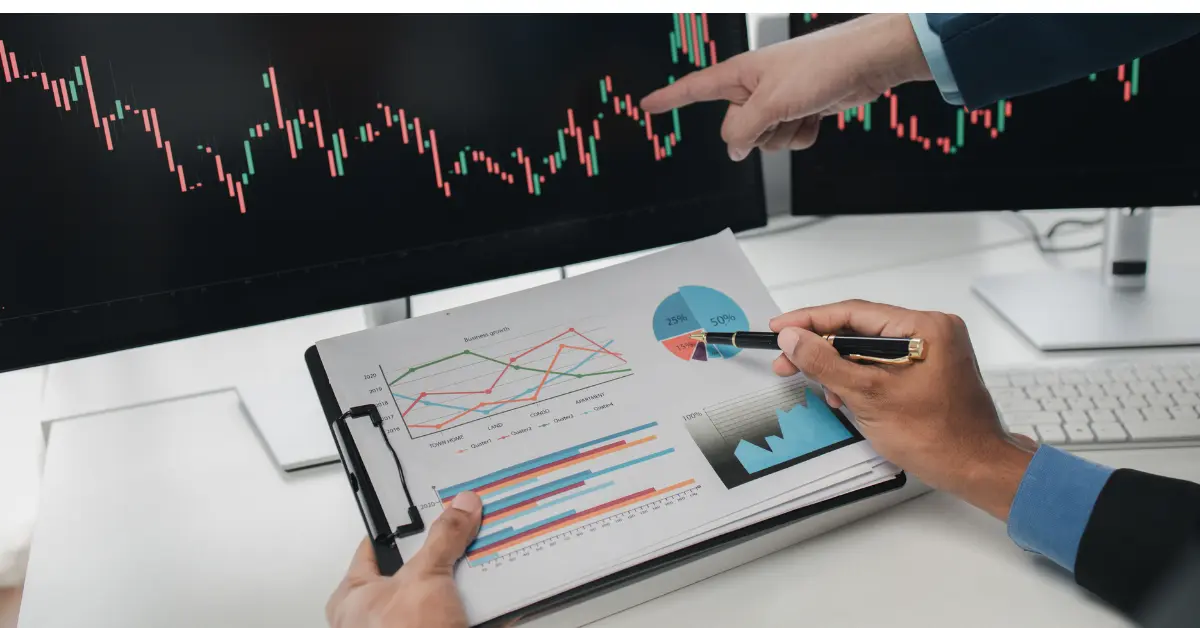
One of the biggest questions in Forex trading is whether to use fundamental vs technical analysis in forex. Every beginner trader faces this doubt: Should I follow economic news and fundamentals, or should I look at charts and indicators?
so both methods have their own benefits and limitations. Fundamental analysis focuses on the overall economy, government policies, interest rates, and global news that can move currency prices. Technical analysis depend on the studies past price charts, patterns, and indicators to predict that next move in the market
What is Fundamental Analysis in Forex?
In Forex, fundamental analysis means looking at the real-world things that affect the value of a currency. Traders don’t just look at charts; they also try to figure out how a country’s economy, politics, and financial policies can affect the demand for its currency.
So when you compare fundamental vs technical analysis In Forex, fundamental analysis is more about the big picture than technical analysis. It helps traders figure out not only how a currency is moving, but also why it is moving.
What Moves Currency Prices?
Changes in supply and demand are the main reasons why currencies go up or down. The strength of a currency can change quickly when there are big news events like elections, government decisions, or conflicts around the world. For example, if India raises its interest rates, the Indian Rupee may get stronger because more people want to put their money into India.
Important Economic News(GDP, Inflation and Interest Rates)
Some of the most important things to look at in fundamental analysis are:
- GDP (Gross Domestic Product): This tells you how well a country’s economy is doing.
- Inflation (CPI): If prices go up too quickly, the value of the currency may go down.
- Interest Rates: When interest rates go up, a currency usually gets stronger because investors make more money.
Why Traders Use Fundamental Analysis
Traders use fundamental analysis to figure out what will happen in the long run. It helps them figure out which currency is strong and which one isn’t. This method is popular with many investors and large organizations because it lets them hold trades for weeks or months without worry.
What is Technical Analysis in Forex?
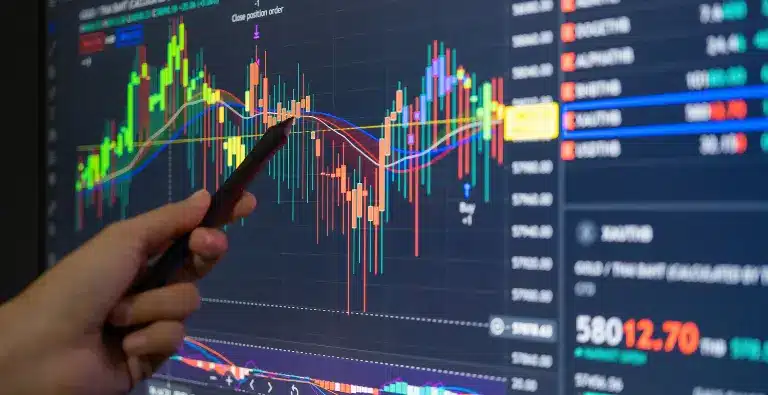
When you do technical analysis in Forex, you look at past price charts to try to guess where prices will go next. Traders don’t pay attention to news about the economy or the government. Instead, they look at how the price has changed in the past and try to find patterns.
When we look at fundamental vs technical analysis in Forex, technical analysis is mostly about charts, indicators, and how people think about the market. Even though we don’t fully understand why, it shows how the price is moving.
Price Charts and Patterns
A price chart is the most basic tool for technical analysis. Traders look at common patterns like head and shoulders or double tops, as well as candlesticks and levels of support and resistance. Traders can use these patterns to plan when to enter and exit trades because they happen a lot.
Popular Technical Indicators (MA, RSI, MACD)
A lot of traders also use indicators to back up signals. A few of the most common ones are:
- Moving Average (MA): This shows the average price over a certain amount of time and helps you see the trend.
- The Relative Strength Index (RSI) shows if a currency is overbought or oversold.
- MACD, or Moving Average Convergence Divergence, is a tool that helps you see when trends change.
Pros and Cons of Technical Analysis
- Pros: It’s easy to use once you learn the basics, gives clear entry and exit points, and is good for short-term trading.
- Disadvantages: It doesn’t say why the market is moving, and signals can be wrong during big news events.
Fundamental Analysis vs Technical Analysis in Forex
The main difference between fundamental and technical analysis is how they look at things. Fundamental analysis looks at why a currency changes, while technical analysis looks at how the price changes on the chart.
When Forex traders compare fundamental vs technical analysis in forex, they usually want to know which one is better. The truth is that both methods can work, but it all depends on how you trade, how long you want to trade, and what you want to achieve.
What’s the Main Difference?
- Fundamental analysis → Based on news, economy, and real-world events.
- Technical analysis → Based on charts, price action, and indicators.
Which Works Better for Short-Term Trading?
Technical analysis usually works better for short-term or intraday trading. This is because charts and indicators tell you to buy or sell faster.
Which is Best for Long-Term Trading?
When trading or investing for a long time, fundamental analysis is more reliable. The bigger trend of a currency is set by things like economic growth, interest rates, and political stability.
Can You Use Both Together?
Yes! A lot of successful traders use both. They use fundamental analysis to figure out which currency is strong or weak, and then they use technical analysis to find the best times to buy and sell.
How to Choose the Right Analysis for You?
When it comes to Forex, whether to use fundamental vs technical analysis in forex depends on your goals, trading style, and how much risk you’re willing to take. There isn’t one “best” way to do things; the best way is the one that fits your personality and schedule.
Conclusion
There is no one right answer when it comes to fundamental vs technical analysis in Forex. Each method has its own pros and cons. Fundamental analysis tells you why currency moves happen, and technical analysis tells you when and how to enter or exit a trade.
It’s best for beginners to start with technical analysis because it’s easier to learn and use for short-term trading. But as you get more experience, adding fundamental analysis will help you understand the market better.
Smart traders don’t just pick one side; they use both sides. You can trade with more confidence and have a better chance of success in the Forex market if you combine fundamentals and technicals.
READ ALSO : Smart Money vs Retail Investors: Is Retail Becoming the New Smart Money? – Trends & Insights
Disclaimer
This article is for educational purposes only. Forex trading involves risk, and you should never trade with money you cannot afford to lose. The information shared here is not financial advice. Please do your own research or consult with a financial advisor before making any trading decisions.
Frequently Asked Questions
Fundamental looks at news and economy, while technical focuses on charts and indicators.
Beginners often start with technical analysis because it is simple and chart-based.
Yes, many traders combine both to get stronger trading signals and reduce risk.
Yes, it helps track big trends based on economic strength and global events.
Technical analysis works better for intraday or short-term trading decisions.