


Confused between Forex vs Stock Market trading? Learn the key differences, pros, cons, and find out which market is more profitable for you in 2025.One of the most common debates in the trading world is: “Forex vs Stock Market – which is more profitable?” While both offer significant profit potential, they operate in very different ways. Each market has its own level of volatility, liquidity, risk, and structure. Whether you’re a beginner or an experienced trader, choosing the right market depends on your goals, strategy, and risk appetite. In this article, we’ll break down the core differences between forex and stock markets to help you decide which one suits you better.
What is Forex Trading?
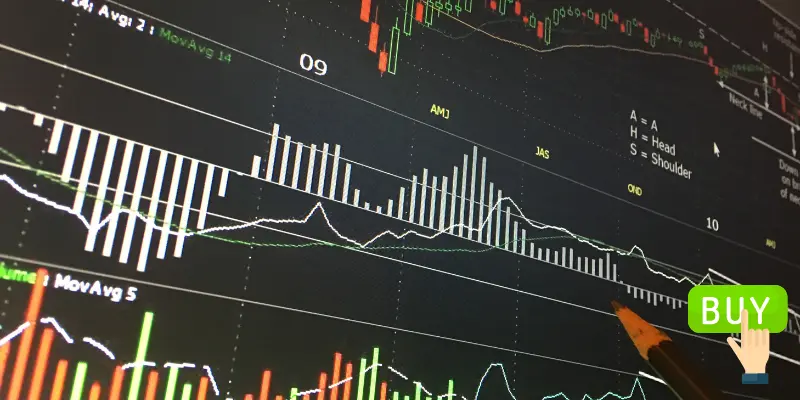
Forex (Foreign Exchange) is the global marketplace for trading national currencies. It is the largest financial market in the world, operating 24 hours a day, five days a week. In forex, you buy one currency and sell another simultaneously. For example: EUR/USD, GBP/INR, or USD/JPY.
Key Features of Forex:
- High liquidity
- 24/5 trading
- Low transaction costs
- Leverage available up to 100:1 or more
- Influenced by macroeconomic events
What is Stock Market Trading?
The stock market is a place where people can buy and sell shares of companies that are listed for public trading. When someone buys a stock, they own a small part of that company. Stocks give investors a chance to earn money if the company grows and its share price increases.
The stock market helps companies raise funds and gives investors a chance to build wealth. Some of the major stock exchanges in the world are the New York Stock Exchange (NYSE), NASDAQ in the USA, and the National Stock Exchange (NSE) and Bombay Stock Exchange (BSE) in India. These exchanges make it easy for people to trade shares safely and quickly through online platforms and registered brokers.
Key Features of Stock Trading:
- Ownership in companies
- Earnings from dividends
- Regulated by strict rules
- Market opens for limited hours (e.g., NSE 9:15 AM – 3:30 PM)
- Driven by company performance and industry news
Profit Potential: Forex vs Stock Market.
Forex:
- Short-term profits: Because of volatility, forex traders can earn daily.
- Scalping and intraday gains: Highly effective in forex due to fast-moving prices.
- Leverage increases earning potential but also risk.
Stock Market:
- Long-term wealth: Stocks grow over time. Holding blue-chip stocks can generate wealth.
- Dividends provide passive income.
- Stock options and futures can also boost profits with risk.
Conclusion: Forex offers faster profits with more risk. Stocks offer safer, long-term profits.
Risk Factor: Which Market is Riskier?
Forex:
- High leverage = high risk
- Prices are sensitive to global events
- Requires fast decision-making
Stock Market:
- Less volatile (especially in blue-chip stocks)
- Limited leverage (unless using margin)
- Market halts and circuit breakers reduce big losses
Start with the Stock Market if:
- You prefer slow and steady learning
- You want to build long-term wealth
- You’re looking for regulated, stable returns
Try Forex Trading if:
- You like fast-paced action
- You can dedicate time to learning technical analysis
- You understand risk and money management
Tax Implications in India (2025 Update)
Forex:
- Profits taxed as speculative income
- Higher tax rate (up to 30%) in some cases
Stock Market:
- Short-term capital gains = 15%
- Long-term capital gains (above ₹1 lakh) = 10%
Tax Efficient Winner: Stock market
Table of Forex vs Stock Market based on key factors:
| Feature | Forex Market | Stock Market |
|---|---|---|
| Market Type | Currency trading (e.g., USD/INR, EUR/USD) | Shares of companies (e.g., TCS, Reliance) |
| Ownership | No ownership, just currency speculation | You own a part of the company |
| Market Hours | 24 hours, 5 days a week | Fixed hours (e.g., NSE: 9:15 AM – 3:30 PM IST) |
| Liquidity | Very high (largest financial market) | Medium to high (varies by stock) |
| Volatility | Very high – quick price changes | Moderate – depends on stock & market conditions |
| Profit Potential | Fast short-term profits possible | Long-term growth + dividends |
| Risk Level | High (due to leverage & global events) | Lower (especially in blue-chip stocks) |
| Leverage | Very high (up to 100:1 or more) | Limited (unless using margin) |
| Regulation | Less strict (varies by broker & region) | Highly regulated by stock exchanges |
| Trading Costs | Lower spreads and commissions | May include brokerage fees and taxes |
| Market Influences | Economic data, global news, central banks | Company earnings, industry trends, economy |
| Best for Beginners | Not recommended unless well-prepared | Ideal for slow, safe learning |
| Tax Rules in India (2025) | Treated as speculative income, higher tax | Capital gains tax with better exemptions |
| Examples | EUR/USD, GBP/INR, USD/JPY | Infosys, HDFC Bank, Apple, Google |
Conclusion:
- Forex vs Stock Market:
- Forex is better for active traders with good risk management.
- Stocks are better for long-term investors and beginners.
For More details Reed Our: What is Forex Trading? A Beginner’s Guide to the FX Market in 2025
FAQs – Forex vs Stock Market
Q1. Can I trade both Forex and Stocks?
Yes, many traders diversify across both markets.
Q2. Which market is more suitable for passive income?
Stock market (via dividends and SIPs).
Q3. Is forex trading legal in India?
Yes, but only via authorized platforms and allowed currency pairs.
Q4. Which market requires more capital to start trading?
Forex typically needs less capital due to high leverage options.
Q5. Can I trade forex or stocks on my mobile?
Yes, both can be traded easily using mobile apps from trusted brokers.
Q6. Is technical analysis more effective in forex or stock trading?
Technical analysis is often more relied on in forex due to price-driven movement.
Q7. Do I need a Demat account for forex trading?
No, Demat accounts are only needed for stock market investments.
Q8. Can forex trading be automated?
Yes, many traders use bots or EAs (Expert Advisors) for forex automation.
Disclaimer:
Forex trading has high risk and may not be right for everyone. This article is only for learning purposes and should not be taken as financial or investment advice. Always do your own research before trading, and talk to a certified financial advisor if needed. Past results do not guarantee future profits.